Getting Back on Track After a Setback
September 18, 2025
Building Habits That Last
January 12, 2026Getting Back on Track After a Setback
September 18, 2025Building Habits That Last
January 12, 2026
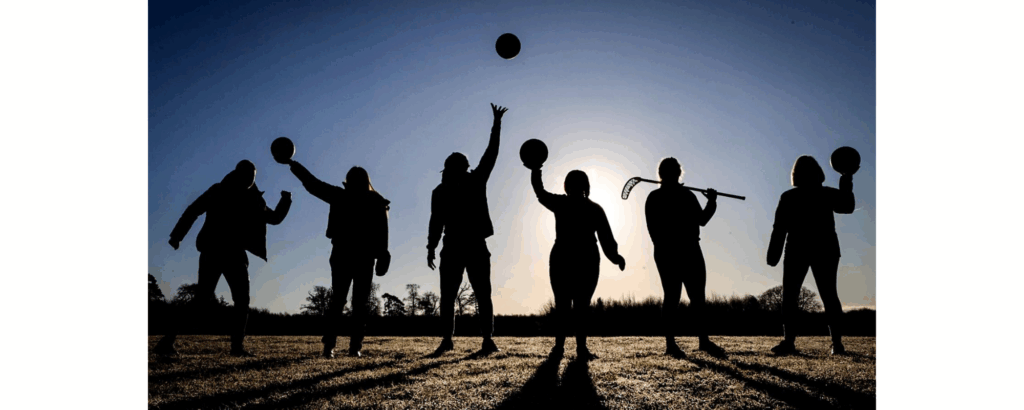
That’s sport. There can only be one winner.
I find myself just far enough removed from playing senior club football now to see the game through a different lens. I’ve spent most of my life in pursuit: chasing wins, chasing starts, chasing the next performance. Competing to make an impact. That mindset, the hunger to contribute, to be pivotal, defined who I was.
But lately, I’ve started asking: what if the impact wasn’t only about performance? What if being part of it and doing my best was already enough?
Stealing Fire
Every athlete knows that feeling, the spark that drives you to show up, the need to prove something. It’s the energy that gets you out of bed for early sessions, that keeps you pushing when your body says no. That’s the fire we steal, the same energy that fuels growth and connection.
But it can consume you too. The same mindset that builds champions can blind us to gratitude. The “perform, perform, perform” mentality becomes identity. There’s no pause, no perspective, only the next game, the next session, the next lift, the next measure of validation.
The truth is, it doesn’t have to be positive or negative. It just is. The process, the fire, the fatigue, all part of the same journey.
Pause Before It’s Too Late
There’s a rhythm to sport: stay ready, game ready, perform ready. But sometimes we need to be pause ready. To step back, breathe, and realise what we’re actually doing. It can be hard to see this for yourself, I am not sure what would have helped me understand the power of pause.
“Pre-workout” isn’t just about caffeine or energy. It’s about intent. Why are you doing this? What’s the purpose behind the reps, the routine, the sacrifice?
That pause, that moment of awareness, is what separates athletes who burn out from those who evolve.

The Injuries
I used to see setbacks as challenges to conquer, obstacles to outwork.
A broken leg, an ACL reconstruction, back surgery. They were all things I believed I’d come back from faster than expected. Nothing would stand in my way. I’d be better than before, even if that wasn’t true.
And that mindset served me; it got me back on the pitch and kept me training when logic said rest. But it also masked something deeper: an inability to pause, to listen, to let healing be part of performance rather than a distraction from it.
Injuries test not only your body but your identity. When you can’t play, you’re forced to ask who you are without the game. I never wanted to face that question, so I fought my way back every time. Now I can see the real strength wasn’t just in the return. It was in learning to slow down and trust that patience has its own form of discipline.
The Reflection
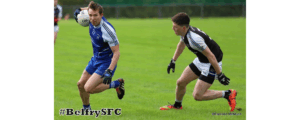
I’ve won three county medals, two senior Dublin championships with Ballyboden St Enda’s, and an intermediate championship with my home club Coolaney Mullinabreena.
And still, for years, I told myself it wasn’t enough. I’d replay the moments I was taken off, games where I didn’t impact like I should, the missed scores, the times I didn’t get the recognition. The relentless voice that said: you should have done more. It was never about blame, I took it on the chin and always tried to be better.
That mindset was fuel, but it was also poison. Because when “enough” always moves just out of reach, you never feel the privilege of what’s already in your hands. My answer was always to work harder in training, work more and try harder will help me find the answers.
Looking back now, I realise the impact I was chasing wasn’t just about stats or silverware. I kept looking for answers in the wrong places, pushing harder, training more, I will be leaner, stronger and fitter, instead of creating space to pause and think. What I really needed were better conversations about how and why, not just how much. It was about connection, contribution, and being part of something bigger than myself. That’s what team sport gives you, a shared experience of striving, failing, learning, and sometimes, winning together.
The medal itself is a privilege, a symbol of the effort, the connection, the shared pursuit. But the deeper privilege is in what it represents: the moments, the people, and the journey that made it possible.
Perspective
A teammate of mine, Gemma, said something recently. She said it’s only people who don’t play anymore who tell you to enjoy the game more. And she’s right, that is often the case.
When you’re in the middle of it, the noise, the pressure, the drive to prove yourself, perspective is hard to find. You’re too close, too immersed. But I’ve come to believe that a wider outlook wouldn’t dull your edge. It would soften the pain of those really difficult moments but also give greater freedom to your performances. It wouldn’t take away your competitiveness or your will to give everything. It would just make it easier to see the privilege in what you’re already doing, to feel the meaning, even when it hurts.
The Stand
At the weekend, I stood beside my friend and former teammate Shane Durkin, watching Ballyboden claim their fifth Dublin county title in style. Standing there, just watching, brought up a flood of emotion.
It wasn’t envy or regret. It was pride. Pride in what we had shared, and pride in what was unfolding in front of us, the rhythm, the honesty, the joy of the game itself. The noise of the crowd, the colour, the families in blue and white, the community energy that makes Gaelic football what it is.
There’s something about the GAA and team sport in general that’s hard to explain unless you’ve lived it. It’s a heartbeat that runs through people, places and generations. It’s a young player kicking their first ball and an older one taking their last, all connected by the same field and the same love of the game.
To simply be on the stand, shoulder to shoulder with someone who lived it with me, and to see that energy alive in the next generation, was special. Watching the current players, I felt a deep hope that they savour every single moment. Because one day, they’ll stand where we stood, and they’ll understand that just being part of it was something few get to experience.
The Developing Athlete
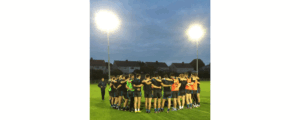
I see it now in the next generation, the aspiring athletes who want to get everything right. The perfect session, the perfect diet, the perfect performance.
They eat with purpose, they train with structure, and that’s good. But sometimes what they need most is to play. To play with freedom, to play for fun.
Nutrition is part of that story too. It’s not about eating perfectly. It’s about eating to grow strong, to recover, to perform and enjoy it. It is about fuelling both performance and identity.
The developing athlete’s greatest lesson isn’t in the pursuit of perfection. It’s in realising that presence, patience, and play often lead to progress more sustainable than pressure ever could.
For those looking to learn more about performance preparation for young athletes. Here is a link to our next webinar:
Seeing It Differently
If I’m truly able to see things differently now, I’m still the same person, only older. The drive that once pushed me on the field hasn’t gone away; it just shows up in new ways.
That sporting hunger for success finds its outlet in business, in the next opportunity, the next partnership, the next story of progress with an athlete or a team. The goals might look different, but the feeling underneath them is familiar.
And I still find myself asking the same questions I did when I played. Am I doing my best? Am I being honest? Am I working as hard as I can?
The answers to those questions still matter. They’re what keep me accountable, grounded, and connected to the purpose behind it all.
Play. Perform. Pause. Repeat.
So what would I do differently now?
In those moments of bliss and torment, in the wins and losses, I’d try to remember this: it’s all temporary. The medals fade, the aches linger, but the privilege of being part of it, that’s what stays. You will stand beside a teammate in years to come and not need to say anything, but you both know what it takes, ‘you just know’.
Not everything has to be positive. Not every game has to be perfect. Doing your best and being part of it, no matter how small, is a privilege. And one day, you’ll look back and realise that was the point all along. When you give everything you have, that moment, win or lose, is enough. Even if it doesn’t feel like it at the time.